
How Respite Care Gives Family Caregivers | Time to Recharge
How Respite Care Gives Family Caregivers Time to Recharge
Caring for an elderly loved one can be a deeply rewarding experience, but it can also be physically and emotionally demanding. Family caregivers often manage medical appointments, medication schedules, personal care, meals, household responsibilities, and emotional support while balancing work and their own family commitments.
Over time, these responsibilities can become overwhelming. This is where respite care for family caregivers can make an important difference. Respite care provides temporary professional support, giving family caregivers an opportunity to step away from their responsibilities, rest, and recharge while knowing their loved one is receiving appropriate care.
Taking a break is not a sign that a caregiver is failing. In fact, regular breaks can help caregivers maintain their own health and continue providing compassionate, effective support in the long term.
What Is Respite Care?
Respite care is temporary care provided to an elderly or vulnerable individual while their primary family caregiver takes a break.
Depending on the person’s needs, respite care can be provided for:
- A few hours
- An afternoon
- An entire day
- Overnight periods
- Several days
- Longer planned periods
The type of care can also vary. Some elderly individuals may need assistance with daily activities, while others may require more specialised nursing or medical support.
The goal is to provide continuity of care while giving the family caregiver much-needed time away from their responsibilities.
Why Family Caregivers Need Regular Breaks
Many family caregivers gradually become overwhelmed because they feel responsible for every aspect of their loved one’s wellbeing.
Without adequate breaks, caregivers may experience:
- Constant tiredness
- Irritability
- Difficulty sleeping
- Anxiety
- Social withdrawal
- Feelings of frustration
- Loss of motivation
- Emotional exhaustion
These symptoms can eventually develop into caregiver burnout.
Taking regular breaks allows caregivers to recover physically and emotionally before stress becomes unmanageable.
Respite Care Helps Prevent Caregiver Burnout
Caregiver burnout can affect both the caregiver and the person receiving care. When someone is physically and emotionally exhausted, everyday caregiving responsibilities can become increasingly difficult.
Respite care provides an opportunity to step away from caregiving duties and focus on personal wellbeing.
A caregiver might use respite time to:
- Sleep and rest
- Attend a medical appointment
- Exercise
- Spend time with friends
- Complete personal errands
- Enjoy a hobby
- Spend time with their children
- Simply have some quiet time
Even a few hours away from caregiving responsibilities can provide valuable mental and emotional relief.
Professional Support Provides Peace of Mind
One of the biggest concerns caregivers have when taking a break is whether their loved one will be safe and comfortable.
Professional respite care helps provide reassurance by ensuring that an experienced caregiver is available to assist with daily needs.
Depending on the care plan, support may include:
- Personal hygiene
- Meal preparation
- Mobility assistance
- Medication reminders
- Companionship
- Household assistance
- Health monitoring
Knowing that their loved one is being looked after allows family caregivers to take their break without constantly worrying about what is happening at home.
Respite Care Can Benefit Elderly Loved Ones Too
Although respite care is designed to support family caregivers, elderly individuals can benefit from it as well.
A temporary professional caregiver can provide opportunities for:
- New social interaction
- Companionship
- Engaging activities
- Assistance with daily routines
- Additional supervision
- Greater independence
Some seniors may initially be hesitant about receiving care from someone new. However, developing a relationship with a professional caregiver can provide additional companionship and support.
Supporting Caregivers Looking After Someone With Dementia
Caring for someone with dementia can be particularly demanding. Memory loss, confusion, behavioural changes, communication difficulties, and safety concerns can require constant attention.
Respite care can provide family caregivers with an opportunity to rest while ensuring their loved one continues receiving appropriate support.
Families can also learn more by reading “How Dementia Care at Home Improves Quality of Life”, which explores how familiar surroundings, personalised support, and professional care can benefit people living with dementia.
Respite Care Supports Better Family Relationships
Constant caregiving responsibilities can sometimes affect relationships between family members.
When a caregiver is exhausted, they may have less patience or energy for meaningful conversations and family activities.
Regular respite breaks can help caregivers return to their responsibilities feeling refreshed and emotionally available.
Instead of every interaction being focused on medication, appointments, meals, or personal care, family members can spend more quality time together simply enjoying each other’s company.
Combining Respite Care With Home Nursing
Some elderly individuals have more complex medical needs and require professional nursing support rather than basic companionship.
In these situations, respite care can be incorporated into a broader home healthcare plan.
Professional nurses may assist with needs such as:
- Wound care
- Medication administration
- Monitoring vital signs
- Chronic condition management
- Post-hospital recovery
- Personal care
For more information, readers can explore “The Benefits of Professional Home Nursing Care for Elderly Patients” to understand how skilled nursing support can help seniors remain safely at home.
Planning Respite Care Before You Need It
Families should not wait until a caregiver reaches complete exhaustion before considering respite care.
Planning ahead makes it easier to establish a reliable care arrangement and introduce the elderly loved one to their caregiver gradually.
Families can begin by:
- Assessing the senior’s care needs.
- Identifying how often the caregiver needs a break.
- Finding suitable professional care services.
- Creating a schedule for respite periods.
- Communicating the plan with other family members.
- Reviewing the arrangement regularly.
Having a plan in place means support is available when the caregiver needs it most.
Respite Care Is Not a Sign of Giving Up
Some family caregivers feel guilty about asking for help because they believe they should be able to manage everything themselves.
This mindset can be harmful.
Asking for professional support does not mean a caregiver loves their family member any less. Instead, it demonstrates a commitment to providing sustainable and responsible care.
A caregiver who is rested, healthy, and emotionally supported is better positioned to provide compassionate care over the long term.
Supporting the Whole Family
Good elderly care should consider the wellbeing of everyone involved—not only the person receiving care.
Family caregivers need time to maintain their own health, relationships, responsibilities, and interests. Respite care creates space for this without compromising the safety and comfort of the elderly loved one.
Families considering different forms of support may also benefit from reading “Why Family Caregivers Need Support When Caring for Elderly Loved Ones” for additional insight into the emotional and practical challenges of caregiving.
Conclusion
Respite care gives family caregivers time to recharge by providing temporary professional support while they take a much-needed break. Whether it is a few hours, an afternoon, or several days, this time away can help reduce stress, prevent caregiver burnout, and improve emotional wellbeing.
At the same time, elderly loved ones continue receiving companionship, assistance, and appropriate care in a safe and supportive environment.
Caregiving is a responsibility that should not have to be carried alone. By incorporating respite care into a long-term care plan, families can create a healthier balance between caring for an elderly loved one and looking after their own wellbeing.
Why Post-Hospital Care at Home Helps Patients Recover Faster
Leaving the hospital is an important milestone in a patient’s recovery journey, but it is often only the beginning. Whether recovering from surgery, a serious illness, an injury, or managing a chronic medical condition, many patients still require ongoing care and monitoring after returning home. Without the right support, recovery can be slower, more stressful, and may even lead to avoidable complications.
This is why post-hospital care at home has become an increasingly popular option for individuals and families seeking a safer and more comfortable recovery. Professional home care services provide personalised medical support while allowing patients to heal in familiar surroundings. From medication management and wound care to mobility assistance and emotional support, home-based care plays a vital role in promoting faster recovery and improving overall wellbeing.
What Is Post-Hospital Care at Home?
Post-hospital care at home refers to professional healthcare services provided after a patient has been discharged from hospital. These services are designed to support recovery, prevent complications, and help patients regain their independence.
Depending on the patient’s condition, post-hospital care may include:
- Medication management
- Wound care and dressing changes
- Monitoring vital signs
- Pain management
- Mobility assistance
- Rehabilitation support
- Nutritional guidance
- Personal care assistance
- Chronic disease management
Every care plan is tailored to meet the patient’s individual medical needs and recovery goals.
Recovering in a Comfortable Environment
Home provides a familiar and relaxing environment that promotes emotional wellbeing and physical healing.
Unlike hospitals, home offers:
- Familiar surroundings
- Better quality sleep
- Reduced stress
- Greater privacy
- Daily routines
- More time with family
Comfort plays an important role in the healing process. Patients often experience less anxiety and greater emotional stability when recovering in a place they know and trust.
A positive environment can improve motivation, encourage participation in rehabilitation, and contribute to better recovery outcomes.
Reducing the Risk of Hospital Readmissions
One of the greatest advantages of post-hospital home care is reducing the likelihood of unnecessary hospital readmissions.
Professional caregivers closely monitor patients for signs of complications such as:
- Infection
- Medication side effects
- Worsening symptoms
- Poor wound healing
- Reduced mobility
Early identification of potential concerns allows healthcare professionals to respond quickly before minor issues become serious medical emergencies.
This proactive approach improves patient safety while reducing the need for additional hospital stays.
Personalised Care That Meets Individual Needs
Every patient recovers at a different pace. Professional home care ensures treatment plans are customised to suit each individual’s health condition, lifestyle, and personal goals.
Personalised care may involve:
- Regular health assessments
- Monitoring recovery progress
- Adjusting daily routines
- Supporting rehabilitation exercises
- Encouraging healthy habits
Individual attention allows healthcare professionals to identify changes early and adapt care as recovery progresses.
Better Medication Management
Many patients leave hospital with new medications or revised treatment plans.
Managing multiple prescriptions can be confusing, especially for elderly patients or individuals recovering from major surgery.
Professional caregivers assist by:
- Organising medication schedules
- Administering medication when required
- Monitoring side effects
- Ensuring prescriptions are taken correctly
- Communicating concerns to healthcare providers
Proper medication management reduces the risk of missed doses, medication errors, and unnecessary complications.
Promoting Independence During Recovery
While assistance is important, encouraging independence is equally valuable.
Professional caregivers support patients in safely performing everyday activities without taking away their independence.
This may include assistance with:
- Walking
- Bathing
- Dressing
- Preparing meals
- Light household tasks
- Exercise programmes
Maintaining independence helps patients rebuild confidence while supporting physical recovery.
Emotional Support Improves Recovery
Recovering from illness or surgery can be emotionally challenging.
Patients may experience:
- Anxiety
- Frustration
- Loneliness
- Fear of complications
- Reduced confidence
Professional caregivers provide reassurance, encouragement, and companionship throughout the recovery process.
Emotional wellbeing has been shown to influence motivation, treatment adherence, and overall recovery outcomes.
Family Members Receive Valuable Support
Family members often want to help but may not have the medical knowledge or time required to provide ongoing care.
Professional post-hospital care reduces pressure by assisting with:
- Medical monitoring
- Daily care routines
- Personal care
- Mobility support
- Health education
Families gain peace of mind knowing their loved one is receiving experienced, compassionate care while they focus on providing emotional support.
Supporting Rehabilitation at Home
Many patients require rehabilitation following surgery, illness, or injury.
Home care professionals help patients continue rehabilitation by encouraging:
- Mobility exercises
- Strength-building activities
- Balance training
- Safe movement techniques
- Daily functional activities
Following rehabilitation programmes consistently helps patients recover more efficiently while reducing the risk of future complications.
Lower Stress and Improved Overall Wellbeing
Healing is often faster when patients feel relaxed and supported.
Home care allows patients to:
- Spend more time with loved ones
- Follow familiar routines
- Maintain privacy
- Enjoy nutritious home-cooked meals
- Rest without hospital interruptions
These factors contribute to improved emotional health, better sleep quality, and greater overall wellbeing throughout recovery.
Internal Resources That May Help
To help readers learn more about home-based healthcare, consider linking this article to other relevant blogs on your website, including:
- The Benefits of Professional Home Nursing Care for Elderly Patients
- How Dementia Care at Home Improves Quality of Life
- Understanding the Importance of Compassionate Palliative Care Services
- Why Family Caregivers Need Support When Caring for Elderly Loved Ones
These internal links improve user experience while strengthening your website’s SEO performance.
Conclusion

Recovering after a hospital stay requires more than simply returning home. With the right support, patients can heal safely, regain independence, and reduce the risk of complications. Professional post-hospital care at home provides personalised medical attention, emotional support, and practical assistance that helps individuals recover more comfortably and efficiently in familiar surroundings.
Whether recovering from surgery, managing a chronic illness, or rebuilding strength after a medical emergency, home-based care offers numerous benefits for both patients and their families. Investing in professional post-hospital care is an investment in faster recovery, greater confidence, and improved quality of life. Contact Kriel Care.
Why Family Caregivers Need Support When Caring for Elderly Loved Ones
Caring for an ageing parent, spouse, or other elderly family member is one of the most meaningful responsibilities a person can take on. Family caregivers provide love, comfort, and daily assistance that allow their loved ones to remain safe and maintain their dignity. However, while caregiving can be incredibly rewarding, it can also be physically demanding, emotionally draining, and mentally exhausting.
Many family caregivers devote so much time and energy to supporting others that they neglect their own health and wellbeing. Without the right support, this can lead to caregiver burnout, increased stress, and declining physical and mental health. Understanding why family caregivers need support is essential not only for the caregiver’s wellbeing but also for ensuring elderly loved ones continue to receive high-quality care.
The Growing Role of Family Caregivers
As more older adults choose to remain in their own homes, family members are increasingly becoming primary caregivers. They often assist with everyday tasks while balancing careers, raising children, and managing their own responsibilities.
Typical caregiving duties include:
- Assisting with personal hygiene
- Preparing meals
- Managing medications
- Transporting loved ones to appointments
- Helping with mobility
- Household chores
- Monitoring health changes
- Providing emotional companionship
Over time, these responsibilities can become overwhelming, especially when caring for someone with complex medical needs or conditions such as dementia or Parkinson’s disease.
Understanding Caregiver Burnout
Caregiver burnout occurs when prolonged physical and emotional stress begins to affect a caregiver’s health and ability to provide effective care.
Common signs include:
- Constant fatigue
- Difficulty sleeping
- Irritability
- Anxiety
- Depression
- Loss of motivation
- Frequent illness
- Feelings of helplessness or frustration
Many caregivers feel guilty about asking for help, believing they should manage everything on their own. In reality, seeking support is a responsible step that benefits both the caregiver and the person receiving care.
The Emotional Impact of Caregiving
Watching a loved one experience declining health can be emotionally difficult. Caregivers often cope with sadness, uncertainty, grief, and the pressure of making important healthcare decisions.
Over time, these emotional demands may contribute to:
- Chronic stress
- Emotional exhaustion
- Social isolation
- Relationship strain
- Reduced quality of life
Having access to emotional support through family members, support groups, or healthcare professionals can help caregivers manage these challenges more effectively.
Why Self-Care Is Essential
One of the biggest mistakes caregivers make is putting their own needs last.
Maintaining personal wellbeing allows caregivers to continue providing compassionate, effective care without compromising their own health.
Healthy self-care habits include:
- Getting enough sleep
- Eating balanced meals
- Exercising regularly
- Attending medical check-ups
- Taking regular breaks
- Staying connected with friends and family
- Pursuing hobbies and relaxation
Looking after yourself is not selfish it is essential for providing sustainable care.
The Value of Professional Home Care Support
Professional home care services can significantly reduce the demands placed on family caregivers.
Depending on individual needs, professional caregivers can assist with:
- Personal care
- Medication reminders
- Mobility assistance
- Meal preparation
- Wound care
- Health monitoring
- Dementia care
- Companionship
Sharing caregiving responsibilities allows family members to focus on spending meaningful time with their loved one instead of becoming overwhelmed by daily care tasks.
For more information about specialised support, you can direct readers to related articles on your website such as “The Benefits of Professional Home Nursing Care for Elderly Patients.”
Respite Care Gives Caregivers Time to Recharge
Respite care provides temporary relief by allowing another qualified caregiver to take over caregiving duties for a few hours, several days, or longer if required.
The benefits of respite care include:
- Reduced stress
- Improved physical health
- Better emotional wellbeing
- Increased patience
- Prevention of caregiver burnout
- More time for personal responsibilities
Taking occasional breaks enables caregivers to return feeling refreshed and better equipped to provide quality care.
Caring for Someone Living with Dementia
Supporting an elderly loved one with dementia presents additional challenges due to memory loss, confusion, behavioural changes, and increased safety risks.
Professional guidance can help families manage:
- Wandering behaviour
- Communication difficulties
- Daily routines
- Personal care
- Medication management
- Emotional support
You can also internally link this article with “How Dementia Care at Home Improves Quality of Life” to provide readers with additional information about specialised dementia care.
Building a Strong Support Network
No caregiver should feel they must face caregiving responsibilities alone.
A strong support network may include:
- Family members
- Friends
- Healthcare professionals
- Community organisations
- Support groups
- Professional caregivers
Sharing responsibilities reduces stress while ensuring elderly loved ones continue receiving consistent, high-quality care.
Open communication also helps families coordinate caregiving schedules and make informed decisions together.
Planning for the Future
As elderly loved ones age, their care needs often become more complex.
Planning ahead allows families to prepare for:
- Changing medical needs
- Increased personal care requirements
- Home modifications
- Financial planning
- Long-term care options
Early planning helps reduce uncertainty and ensures that appropriate support is available when circumstances change.
For readers considering additional care options, an internal link to “Understanding the Importance of Compassionate Palliative Care Services” can provide valuable guidance on patient-centred care for individuals with serious or life-limiting illnesses.
Supporting the Caregiver Benefits Everyone
When caregivers receive the support they need, everyone benefits.
Supported caregivers are more likely to:
- Provide higher-quality care
- Experience lower stress levels
- Maintain better physical and mental health
- Build stronger relationships with loved ones
- Make better healthcare decisions
Likewise, elderly individuals benefit from receiving care from someone who is emotionally present, physically healthy, and able to focus on their wellbeing.
Recognising the importance of caregiver support strengthens both the caregiver and the entire family.
Conclusion
Family caregivers play an invaluable role in helping elderly loved ones remain safe, comfortable, and independent. However, caregiving should never come at the expense of the caregiver’s own health and wellbeing. Emotional support, professional assistance, respite care, and practical resources all contribute to a healthier caregiving experience and better outcomes for older adults, Contact Kriel Care now.
Seeking help is not a sign of weakness it is a proactive step that allows caregivers to continue providing compassionate, high-quality care while protecting their own physical and emotional health.
Understanding the Importance of Compassionate Palliative Care Services
Receiving a diagnosis of a serious or life-limiting illness is one of the most challenging experiences an individual and their family can face. During these difficult times, healthcare extends beyond medical treatment it becomes about providing comfort, preserving dignity, managing symptoms, and offering emotional support. This is where compassionate palliative care services play a vital role.
Palliative care focuses on improving the quality of life for people living with chronic, progressive, or terminal illnesses. Rather than concentrating solely on curing a condition, it aims to relieve pain, reduce discomfort, and address the physical, emotional, social, and spiritual needs of both patients and their families.
Whether care is provided at home, in a hospice, or within a healthcare facility, compassionate palliative care helps individuals live as comfortably and meaningfully as possible throughout every stage of their healthcare journey.
What Are Palliative Care Services?
Palliative care is specialised healthcare designed for individuals living with serious illnesses. It can be provided alongside curative treatment or become the primary focus when treatment is no longer effective.
Conditions that commonly require palliative care include:
- Cancer
- Heart disease
- Chronic kidney disease
- Advanced lung disease
- Motor neurone disease
- Parkinson’s disease
- Alzheimer’s disease and other forms of dementia
- Advanced neurological disorders
The goal is to relieve suffering while improving comfort and overall wellbeing through personalised care plans tailored to each patient’s unique needs.
Focusing on Quality of Life
One of the greatest benefits of compassionate palliative care is its emphasis on quality of life rather than simply treating disease.
Healthcare professionals work closely with patients and families to ensure care focuses on what matters most to the individual, including:
- Effective pain relief
- Managing symptoms such as nausea, fatigue, and breathlessness
- Maintaining independence where possible
- Emotional wellbeing
- Respecting personal wishes and values
Every aspect of care is centred around helping patients feel comfortable, safe, and supported.
Effective Pain and Symptom Management
Managing physical symptoms is one of the primary responsibilities of a palliative care team.
Patients often experience symptoms such as:
- Chronic pain
- Difficulty breathing
- Fatigue
- Loss of appetite
- Nausea
- Anxiety
- Sleep disturbances
Healthcare professionals use evidence-based treatments and regular assessments to ensure symptoms remain under control.
Effective symptom management allows patients to participate more fully in daily life and spend meaningful time with loved ones.
Emotional and Psychological Support
Living with a serious illness affects more than physical health. Patients and family members often experience fear, uncertainty, grief, and emotional stress.
Compassionate palliative care includes emotional support through:
- Counselling
- Active listening
- Emotional reassurance
- Family guidance
- Bereavement support
- Spiritual care when requested
Providing emotional care alongside medical treatment helps individuals cope more effectively with the challenges they face.
Supporting Families Throughout the Journey
Palliative care is unique because it supports not only the patient but also their family.
Family caregivers often experience emotional exhaustion, stress, and uncertainty while caring for a loved one.
Professional palliative care teams assist families by:
- Explaining treatment options
- Teaching caregiving techniques
- Providing respite care
- Offering emotional counselling
- Helping with future care planning
This support enables families to spend more quality time together while feeling confident that their loved one is receiving compassionate care.
The Benefits of Receiving Palliative Care at Home
Many individuals prefer receiving palliative care in the comfort of their own homes.
Home-based care offers several important advantages:
- Familiar surroundings
- Greater comfort
- Personalised care plans
- More family involvement
- Reduced hospital visits
- Improved emotional wellbeing
Receiving care at home allows patients to remain close to loved ones while maintaining familiar routines and surroundings.
You can also guide readers to related articles on your website, such as “Why Palliative Care at Home in Pretoria is the Right Choice for Families”, to help them better understand the benefits of receiving care in a home environment.
A Multidisciplinary Approach to Care
Compassionate palliative care involves a team of healthcare professionals working together to meet the patient’s needs.
This team may include:
- Doctors
- Registered nurses
- Caregivers
- Physiotherapists
- Occupational therapists
- Social workers
- Counsellors
- Dietitians
Each professional contributes specialised expertise to ensure comprehensive, patient-centred care.
Collaboration between healthcare providers allows treatment plans to be adjusted as the patient’s needs change over time.
Preserving Dignity and Independence
One of the most important principles of palliative care is preserving the dignity of every individual.
Patients are encouraged to participate in decisions regarding their care whenever possible.
Healthcare professionals respect each person’s:
- Personal preferences
- Cultural beliefs
- Religious values
- Healthcare goals
- End-of-life wishes
Maintaining dignity helps individuals feel valued and respected throughout every stage of their illness.
Encouraging Open Communication
Clear communication between healthcare providers, patients, and families helps everyone understand treatment goals and available support.
Open conversations allow families to:
- Make informed decisions
- Understand changing healthcare needs
- Prepare for future care
- Express concerns
- Discuss personal wishes
Good communication builds trust and reduces uncertainty during emotionally challenging times.
You may also internally link to articles such as “How Dementia Care at Home Improves Quality of Life” or “The Benefits of Professional Home Nursing Care for Elderly Patients” to provide readers with additional information about specialised home healthcare services.
Why Compassion Matters in Palliative Care
Medical expertise is essential, but compassion is what truly defines exceptional palliative care.
Simple acts such as listening carefully, respecting personal wishes, offering reassurance, and providing emotional comfort can have a profound impact on both patients and their families.
Compassionate care helps reduce fear, strengthen trust, and create an environment where patients feel supported throughout their healthcare journey.
Every individual deserves to receive care that recognises not only their medical needs but also their emotional, social, and personal wellbeing.
Conclusion

Compassionate palliative care services provide far more than medical treatment they offer comfort, dignity, emotional support, and improved quality of life for individuals living with serious or life-limiting illnesses. By focusing on the whole person rather than the illness alone, palliative care enables patients to live as comfortably and meaningfully as possible while supporting families every step of the way.
Whether care is provided at home or in a specialised healthcare setting, choosing compassionate palliative care ensures that patients receive personalised support tailored to their unique physical, emotional, and spiritual needs. Contact Kriel Care now.
How Dementia Care at Home Improves Quality of Life
Receiving a dementia diagnosis can be overwhelming for both individuals and their families. As the condition progresses, daily activities become increasingly difficult, and many families wonder how they can provide the best possible care while preserving their loved one’s dignity and independence. For many, dementia care at home offers the ideal solution.
Home-based dementia care allows individuals to remain in a familiar environment while receiving personalised support from trained caregivers and healthcare professionals. Familiar surroundings can reduce anxiety, minimise confusion, and promote emotional wellbeing, making home care one of the most effective ways to improve the quality of life for people living with dementia.
As more families seek compassionate alternatives to residential care facilities, professional dementia care at home continues to provide comfort, security, and peace of mind.
Understanding Dementia
Dementia is not a single disease but a group of conditions that affect memory, thinking, reasoning, language, and behaviour. The most common form is Alzheimer’s disease, although there are several other types of dementia.
Common symptoms include:
- Memory loss
- Difficulty communicating
- Confusion about time and place
- Personality changes
- Poor judgement
- Difficulty completing everyday tasks
- Mood swings
- Reduced problem-solving abilities
While dementia cannot currently be cured, early diagnosis and ongoing professional care can significantly improve quality of life and help manage symptoms effectively.
Healthcare providers such as iMed Centre encourage comprehensive health assessments and ongoing support for individuals living with cognitive conditions.
The Comfort of Familiar Surroundings
One of the greatest benefits of dementia care at home is allowing individuals to remain in an environment they know and recognise.
People living with dementia often become distressed when routines change or when placed in unfamiliar settings. Remaining at home provides comfort through:
- Familiar rooms
- Personal belongings
- Family photographs
- Daily routines
- Recognisable surroundings
This familiarity helps reduce confusion and anxiety while promoting a stronger sense of security.
Maintaining familiar routines also allows individuals to continue participating in everyday activities that provide purpose and enjoyment.
Personalised One-on-One Care
Unlike residential care facilities where staff divide their attention among multiple residents, home care focuses entirely on one individual.
Professional dementia caregivers develop personalised care plans based on the patient’s:
- Medical condition
- Stage of dementia
- Daily routine
- Personal preferences
- Physical abilities
- Emotional needs
Individualised care allows caregivers to respond quickly to changes in behaviour or health while providing consistent emotional support.
This tailored approach often leads to improved comfort and better overall wellbeing.
Maintaining Independence
Although dementia affects memory and cognitive function, many individuals can continue performing certain daily tasks with the right level of support.
Professional caregivers encourage independence by assisting rather than taking over activities such as:
- Dressing
- Personal hygiene
- Meal preparation
- Walking
- Medication reminders
- Light household activities
Maintaining independence helps preserve dignity and boosts confidence, which positively impacts emotional health.
Improved Safety at Home
Safety becomes increasingly important as dementia progresses.
Professional caregivers help minimise risks by identifying potential hazards and implementing safety measures throughout the home.
Examples include:
- Removing trip hazards
- Installing grab rails
- Securing dangerous household items
- Monitoring medication
- Preventing wandering
- Supervising mobility
These precautions reduce the likelihood of accidents while allowing individuals to remain safely in their own homes.
Better Emotional Wellbeing
Living with dementia can be frightening, particularly when memory loss causes confusion and frustration.
Home-based care provides consistent companionship and emotional reassurance that helps reduce feelings of fear and loneliness.
Caregivers often engage individuals in meaningful activities such as:
- Music therapy
- Memory exercises
- Reading
- Gardening
- Simple games
- Arts and crafts
- Family conversations
These activities stimulate cognitive function while creating enjoyable daily experiences.
Emotional wellbeing plays an important role in maintaining overall quality of life.
Support for Family Members
Caring for a loved one with dementia can be physically, emotionally, and mentally demanding.
Professional home care provides valuable support by sharing caregiving responsibilities.
Families benefit from:
- Professional guidance
- Respite care
- Reduced caregiver stress
- Education about dementia
- Emotional support
- Flexible care schedules
Having experienced professionals involved allows family members to spend more meaningful time with their loved one rather than focusing solely on caregiving responsibilities.
Better Management of Health Conditions
Many individuals living with dementia also have other chronic health conditions such as:
- Diabetes
- High blood pressure
- Heart disease
- Arthritis
- Parkinson’s disease
Professional caregivers monitor health changes, medication routines, and physical wellbeing while communicating with healthcare providers when concerns arise.
Regular monitoring helps prevent complications and supports overall health management.
Encouraging Social Interaction
Social isolation can accelerate cognitive decline and negatively affect emotional health.
Professional caregivers encourage social engagement through:
- Family visits
- Community activities
- Gentle outings
- Meaningful conversations
- Recreational activities
Maintaining regular social interaction helps improve mood while supporting cognitive stimulation.
Just as personalised hospitality creates welcoming experiences at Blue Sparrow Guest House, personalised dementia care creates an environment where individuals feel valued, respected, and comfortable.
Peace of Mind for Families
One of the greatest advantages of professional dementia care at home is the reassurance it provides to family members.
Knowing that a qualified caregiver is monitoring health, providing companionship, and ensuring safety allows families to feel more confident about their loved one’s wellbeing.
Professional care also helps families navigate the emotional and practical challenges associated with dementia.
Organisations such as Urban Arrow demonstrate how personalised planning and client-focused solutions lead to better long-term outcomes a principle that is equally valuable in delivering quality dementia care.
Conclusion
Dementia care at home offers a compassionate and effective way to improve the quality of life for individuals living with memory loss. By providing personalised care in familiar surroundings, home-based support promotes independence, enhances emotional wellbeing, improves safety, and allows families to remain closely involved in their loved one’s care.
As dementia progresses, having professional support becomes increasingly important in ensuring comfort, dignity, and the highest possible quality of life. Home care not only benefits the individual living with dementia but also provides invaluable reassurance and support for family caregivers.
If your loved one has been diagnosed with dementia, now is the time to explore professional home care services. Contact a trusted healthcare provider today to learn how personalised dementia care at home can help your family navigate this journey with confidence, compassion, and expert support.
The Benefits of Professional Home Nursing Care for Elderly Patients
As people age, their healthcare needs often become more complex. Managing chronic illnesses, recovering from surgery, taking multiple medications, or coping with reduced mobility can make daily living increasingly challenging. While hospitals and care facilities play an important role, many families are now choosing professional home nursing care for elderly patients because it offers personalised medical support in the comfort and familiarity of home.
Home nursing care combines professional healthcare with compassionate support, allowing older adults to maintain their independence while receiving high-quality medical attention. For many families, this approach not only improves a loved one’s quality of life but also provides reassurance that they are receiving expert care without leaving home.
If you are considering care options for an ageing family member, understanding the benefits of professional home nursing care can help you make an informed decision.
What Is Professional Home Nursing Care?
Professional home nursing care involves qualified nurses providing medical and personal healthcare services in a patient’s home. Unlike general caregiving, home nursing includes clinical expertise that addresses both short-term and long-term medical needs.
Services may include:
- Medication administration and management
- Wound care and dressing changes
- Monitoring blood pressure, blood sugar, and vital signs
- Chronic disease management
- Post-surgical care
- Catheter and stoma care
- Pain management
- Mobility assistance
- Health assessments
- Family education and support
Healthcare providers such as iMed Centre understand the importance of delivering patient-centred care that supports both medical recovery and overall wellbeing.
Personalised Care Tailored to Individual Needs
Every elderly patient has unique health concerns, medical histories, and personal preferences. One of the greatest advantages of professional home nursing care is the ability to create a personalised care plan.
Unlike busy healthcare facilities where staff divide their attention among many patients, home nurses focus entirely on one individual during each visit.
Personalised care allows nurses to:
- Monitor changes in health more closely
- Adjust care based on patient progress
- Build trusting relationships
- Address concerns quickly
- Encourage greater patient comfort
This individualised approach often leads to better health outcomes and improved patient satisfaction.
Greater Comfort and Emotional Wellbeing
Home is where most people feel safest and most comfortable. Remaining in a familiar environment helps reduce stress, anxiety, and confusion particularly for elderly individuals living with dementia or cognitive decline.
Being surrounded by family, personal belongings, and familiar routines can significantly improve emotional wellbeing.
Patients receiving care at home often experience:
- Reduced anxiety
- Better sleep
- Increased confidence
- Greater emotional stability
- Higher overall life satisfaction
Comfort plays an essential role in recovery and long-term health management.
Improved Independence
One of the primary goals of home nursing care is to help elderly patients maintain their independence for as long as possible.
Rather than doing everything for the patient, professional nurses encourage safe participation in daily activities wherever appropriate.
This may include assisting with:
- Personal hygiene
- Dressing
- Walking
- Meal preparation
- Medication routines
- Exercise programmes
Supporting independence helps preserve dignity while promoting physical strength and confidence.
Better Management of Chronic Conditions
Many seniors live with ongoing medical conditions such as:
- Diabetes
- Heart disease
- Arthritis
- Parkinson’s disease
- Stroke recovery
- Chronic respiratory illnesses
Professional home nurses are trained to monitor symptoms, identify complications early, and coordinate ongoing treatment with healthcare providers.
Regular monitoring can reduce hospital admissions while improving long-term disease management.
Families also gain confidence knowing experienced professionals are overseeing their loved one’s healthcare needs.
Reduced Risk of Hospital Readmissions
After surgery or hospital discharge, elderly patients often require continued medical supervision.
Professional home nursing provides:
- Medication monitoring
- Wound management
- Rehabilitation support
- Early detection of complications
- Recovery assessments
Receiving this level of care at home can significantly reduce the likelihood of unnecessary hospital readmissions.
Early intervention allows healthcare professionals to address small concerns before they become serious medical emergencies.
Medication Safety and Management
Many elderly patients take multiple medications each day, increasing the risk of missed doses, incorrect timing, or dangerous drug interactions.
Professional nurses assist by:
- Organising medication schedules
- Administering prescribed treatments
- Monitoring side effects
- Communicating with doctors regarding medication concerns
Proper medication management improves treatment effectiveness while reducing preventable complications.
Support for Family Caregivers
Caring for an elderly loved one can be rewarding, but it is also physically and emotionally demanding.
Professional home nursing offers valuable support by sharing caregiving responsibilities.
Families benefit from:
- Expert medical guidance
- Reduced caregiver stress
- Increased confidence
- Flexible care arrangements
- More time to focus on meaningful family interactions
Instead of worrying about medical procedures, family members can spend quality time with their loved ones.
Just as personalised service creates memorable experiences for guests at Blue Sparrow Guest House, personalised nursing care creates a more comfortable and reassuring experience for elderly patients and their families.
Enhanced Safety at Home
Professional nurses can identify safety risks within the home and recommend practical improvements that help prevent accidents.
These may include:
- Removing trip hazards
- Installing grab rails
- Improving lighting
- Encouraging safe mobility
- Recommending assistive devices
Reducing fall risks is particularly important, as falls remain one of the leading causes of injury among older adults.
Creating a safer living environment helps seniors remain independent while reducing unnecessary hospital visits.
Better Communication Between Healthcare Providers
Professional home nurses act as an important link between patients, families, specialists, and primary healthcare providers.
They monitor changes in health and communicate important updates promptly, ensuring that treatment plans remain accurate and effective.
This coordinated approach helps improve continuity of care while reducing the likelihood of medical complications.
Organisations such as Urban Arrow demonstrate the value of professional planning and coordinated solutions—principles that are equally valuable in delivering effective healthcare services.
Conclusion
Professional home nursing care offers elderly patients the opportunity to receive expert medical attention while remaining in the comfort and familiarity of their own homes. From managing chronic conditions and supporting recovery to promoting independence and improving emotional wellbeing, home nursing provides comprehensive care that benefits both patients and their families.
As healthcare needs become more complex with age, choosing qualified home nursing services can significantly improve quality of life while giving families peace of mind. The combination of personalised medical care, compassionate support, and professional expertise makes home nursing an excellent option for elderly individuals who wish to age safely and comfortably at home.
If your loved one requires ongoing medical care or additional support at home, contact a trusted healthcare provider today to learn more about professional home nursing services. Investing in quality home healthcare can help your family enjoy greater confidence, comfort, and peace of mind while ensuring your loved one receives the compassionate care they deserve. Contact Kriel Care now
Best Treatment Options for Depression and Anxiety in the Elderly
Depression and anxiety are among the most common mental health challenges affecting older adults. While ageing brings valuable life experiences and wisdom, it can also introduce emotional difficulties related to health concerns, retirement, loss of loved ones, reduced mobility, and social isolation. Unfortunately, many seniors suffer in silence because symptoms are often mistaken for a normal part of growing older.
The reality is that depression and anxiety are medical conditions that can significantly impact a senior’s emotional wellbeing, physical health, and overall quality of life. The good news is that a wide range of effective treatment options are available. With the right support and intervention, older adults can successfully manage their symptoms and continue living fulfilling, active lives.
Understanding the best treatment options for depression and anxiety in the elderly can help families make informed decisions and provide the support their loved ones need.
Understanding Depression and Anxiety in Older Adults
Although depression and anxiety are different conditions, they often occur together in seniors.
Depression may cause:
- Persistent sadness
- Loss of interest in activities
- Fatigue
- Feelings of hopelessness
- Changes in appetite
- Sleep disturbances
Anxiety may present as:
- Excessive worrying
- Restlessness
- Irritability
- Difficulty concentrating
- Muscle tension
- Panic attacks
- Sleep problems
Because symptoms can overlap with physical health conditions, professional evaluation is essential for accurate diagnosis and treatment.
Healthcare providers such as iMed Centre offer comprehensive assessments that help identify both physical and mental health concerns affecting older adults.
Professional Counselling and Therapy
One of the most effective treatment options for elderly depression and anxiety is professional counselling.
Therapy provides a safe and supportive environment where seniors can:
- Discuss emotional challenges
- Process grief and loss
- Develop coping strategies
- Address fears and concerns
- Improve emotional resilience
Cognitive Behavioural Therapy (CBT) is particularly effective because it helps individuals identify and change negative thought patterns that contribute to depression and anxiety.
Many older adults experience significant improvements in mood and overall wellbeing through regular counselling sessions.
Medication Management
For some seniors, medication may be recommended as part of a comprehensive treatment plan.
Common medications used to treat depression and anxiety include:
- Selective Serotonin Reuptake Inhibitors (SSRIs)
- Serotonin-Norepinephrine Reuptake Inhibitors (SNRIs)
- Anti-anxiety medications
Medication should always be prescribed and monitored by a qualified healthcare professional, especially in older adults who may already be taking medications for other health conditions.
Regular reviews help ensure effectiveness while minimising potential side effects and drug interactions.
Encouraging Social Connections
Social isolation is one of the leading contributors to depression and anxiety in older adults.
Building and maintaining social connections can have a powerful positive impact on mental health.
Families can encourage seniors to:
- Join community groups
- Attend church activities
- Participate in senior clubs
- Volunteer
- Connect with friends regularly
- Attend hobby classes
Meaningful social interaction helps reduce loneliness, improve self-esteem, and create a sense of belonging.
Even simple conversations and regular visits from loved ones can make a significant difference.
Physical Activity and Exercise
Exercise is widely recognised as one of the most effective natural treatments for depression and anxiety.
Physical activity helps stimulate the release of endorphins, often referred to as “feel-good” hormones.
Suitable activities for seniors may include:
- Walking
- Swimming
- Stretching
- Yoga
- Tai Chi
- Low-impact fitness classes
In addition to improving mental health, exercise enhances balance, mobility, cardiovascular health, and overall physical wellbeing.
Healthcare professionals can help determine appropriate exercise programmes based on individual health conditions.
Healthy Nutrition and Lifestyle Habits
Nutrition plays an important role in mental health.
A balanced diet rich in nutrients can help support brain function and emotional wellbeing.
Recommended dietary habits include:
- Eating plenty of fruits and vegetables
- Choosing whole grains
- Consuming lean proteins
- Staying hydrated
- Limiting processed foods
- Reducing excessive sugar intake
Good sleep habits are equally important. Poor sleep can worsen both depression and anxiety symptoms, making treatment less effective.
Establishing regular sleep routines can improve emotional stability and overall health.
Managing Chronic Health Conditions
Many older adults experience depression and anxiety alongside chronic medical conditions.
Conditions such as:
- Heart disease
- Diabetes
- Arthritis
- Chronic pain
- Parkinson’s disease
can increase emotional stress and reduce quality of life.
Effective management of physical health often contributes to improvements in mental wellbeing.
Regular check-ups and ongoing medical support are essential for addressing both physical and emotional health concerns.
Companion Care and Emotional Support
Companion care services are becoming increasingly popular among families caring for elderly loved ones.
Companionship can provide:
- Emotional support
- Social interaction
- Assistance with daily activities
- Encouragement to stay active
- Improved confidence
Many seniors benefit greatly from having someone to talk to regularly, particularly if family members live far away or have busy schedules.
Companion care can help reduce loneliness while supporting overall mental wellness.
Mindfulness and Relaxation Techniques
Relaxation practices can help seniors manage stress and anxiety more effectively.
Popular techniques include:
- Deep breathing exercises
- Meditation
- Guided relaxation
- Mindfulness practices
- Gentle stretching
These approaches help calm the nervous system, improve focus, and reduce feelings of worry or overwhelm.
Many seniors find that incorporating relaxation techniques into their daily routines improves both emotional and physical wellbeing.
Family Involvement in Treatment
Family support is often one of the most important factors in successful treatment outcomes.
Loved ones can help by:
- Encouraging treatment participation
- Attending medical appointments
- Monitoring symptoms
- Providing emotional reassurance
- Promoting healthy habits
Creating a supportive environment helps seniors feel understood and less alone in their struggles.
Just as personalised attention enhances guest experiences at Blue Sparrow Guest House, consistent family support plays a vital role in improving emotional wellbeing and recovery.
The Importance of Early Intervention
The earlier depression and anxiety are identified, the easier they are to manage.
Ignoring symptoms can lead to worsening mental health, increased physical health complications, and reduced quality of life.
Seeking professional support at the first signs of emotional distress allows seniors to access treatment before symptoms become severe.
Organisations such as Urban Arrow highlight the value of proactive planning and personalised solutionsan approach that is equally important when addressing mental health challenges.
Conclusion
Depression and anxiety can affect older adults at any stage of life, but effective treatment options are available. From counselling and medication to social engagement, exercise, nutrition, and family support, a comprehensive approach can significantly improve emotional wellbeing and overall quality of life.
Every senior deserves access to compassionate care and personalised treatment that addresses their unique needs. By recognising symptoms early and seeking professional guidance, families can help their loved ones regain confidence, maintain independence, and enjoy a healthier, more fulfilling life.
If you or a loved one is experiencing symptoms of depression or anxiety, contact a trusted healthcare professional today. Early intervention and the right support can make a meaningful difference in achieving long-term mental wellness and emotional health. Contact Kriel Care Specialists now
What Is the Most Common Cause of Depression in Older Adults?
Depression is one of the most common mental health conditions affecting older adults, yet it often goes unnoticed or untreated. Many people assume that feelings of sadness, isolation, or low energy are a natural part of ageing. However, depression is not a normal aspect of growing older. It is a serious medical condition that can affect an individual’s emotional wellbeing, physical health, and overall quality of life.
One of the most frequently asked questions by families and caregivers is: What is the most common cause of depression in older adults? While several factors can contribute to depression, social isolation and loneliness are widely recognised as the leading causes. As seniors face significant life changes such as retirement, the loss of loved ones, declining health, and reduced independence, feelings of loneliness can become overwhelming and negatively impact mental health.
Understanding the causes of depression in older adults can help families recognise warning signs early and provide the support their loved ones need.
Understanding Depression in Older Adults
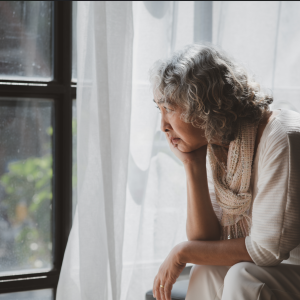
Depression is more than simply feeling sad from time to time. It is a persistent condition that affects how a person thinks, feels, and behaves.
Older adults experiencing depression may struggle with:
- Persistent sadness
- Loss of interest in hobbies and activities
- Fatigue and low energy
- Difficulty concentrating
- Changes in appetite
- Sleep disturbances
- Feelings of hopelessness
- Increased anxiety
Unfortunately, many seniors do not seek help because they believe their symptoms are part of normal ageing. This misconception often delays diagnosis and treatment.
Healthcare providers such as iMed Centre encourage regular health assessments that include both physical and mental wellbeing evaluations to identify depression early.
Loneliness: The Most Common Cause of Depression in Older Adults
Loneliness is often considered the most significant contributor to depression among seniors.
As people age, their social circles may naturally become smaller due to:
- Retirement from work
- Children moving away
- Loss of a spouse
- Death of close friends
- Reduced mobility
- Health challenges
These changes can lead to fewer social interactions and a diminished sense of connection.
When loneliness persists for long periods, it can significantly affect emotional health. Seniors may begin to feel disconnected, unimportant, or isolated from society, increasing their risk of developing depression.
The emotional impact of loneliness is often intensified when older adults spend large portions of their day alone with limited opportunities for meaningful engagement.
The Impact of Losing a Loved One
Grief is another common cause of depression in older adults.
The loss of a spouse, sibling, close friend, or family member can create profound emotional pain. While grieving is a natural process, some individuals may struggle to adapt to life after such losses.
Signs that grief may be developing into depression include:
- Persistent sadness lasting several months
- Withdrawal from social activities
- Loss of interest in daily life
- Difficulty functioning independently
Families should remain attentive to emotional changes following significant losses and seek professional support when necessary.
Chronic Health Conditions and Depression
Many seniors live with chronic medical conditions that can contribute to depression.
Examples include:
- Heart disease
- Diabetes
- Arthritis
- Parkinson’s disease
- Cancer
- Respiratory illnesses
Managing ongoing pain, physical limitations, and frequent medical appointments can be emotionally exhausting.
Some health conditions may also directly affect brain chemistry, increasing the likelihood of depression.
Regular healthcare monitoring can help address both physical and emotional concerns, ensuring a more comprehensive approach to wellbeing.
Reduced Independence and Mobility
Many older adults place a high value on their independence. When mobility challenges or health issues make everyday tasks difficult, feelings of frustration and helplessness may develop.
Examples include:
- Difficulty driving
- Needing assistance with personal care
- Limited ability to travel
- Reduced participation in social activities
Losing the ability to perform routine tasks independently can affect self-esteem and increase vulnerability to depression.
Supporting seniors in maintaining as much independence as possible can have a positive impact on emotional wellbeing.
Retirement and Loss of Purpose
Retirement is often viewed as a rewarding stage of life, but it can also be emotionally challenging for some individuals.
Work often provides:
- Daily structure
- Social interaction
- Personal achievement
- Financial security
- A sense of identity
Without these elements, some seniors may struggle to find purpose and fulfilment.
Encouraging volunteer work, hobbies, community involvement, and meaningful activities can help older adults maintain a strong sense of purpose after retirement.
Recognising the Warning Signs of Depression
Family members are often the first to notice changes in an elderly loved one’s behaviour.
Common warning signs include:
- Social withdrawal
- Irritability
- Frequent sadness
- Loss of motivation
- Neglecting personal care
- Changes in eating habits
- Sleeping too much or too little
- Expressions of hopelessness
Early intervention can significantly improve outcomes and prevent symptoms from worsening.
How Families Can Help
Families play a vital role in supporting seniors who may be experiencing depression.
Helpful strategies include:
- Spending quality time together
- Encouraging social activities
- Promoting physical exercise
- Supporting hobbies and interests
- Assisting with healthcare appointments
- Maintaining regular communication
Simple acts of connection can have a powerful impact on emotional wellbeing.
Just as personalised care creates a welcoming and supportive environment in places like Blue Sparrow Guest House, consistent attention and companionship can help seniors feel valued, connected, and supported.
The Importance of Professional Support
Depression is a medical condition that often requires professional treatment.
Support options may include:
- Counselling
- Cognitive behavioural therapy
- Support groups
- Medication
- Lifestyle interventions
Seeking professional help is not a sign of weakness. It is an important step toward improving quality of life and emotional health.
Healthcare providers can work with seniors and their families to develop personalised treatment plans that address individual needs.
Innovative organisations such as Urban Arrow demonstrate the importance of people-centred solutions that prioritise wellbeing, accessibility, and quality of life.
Conclusion
So, what is the most common cause of depression in older adults? In many cases, the answer is loneliness and social isolation. While ageing brings many life changes, prolonged feelings of disconnection can have a serious impact on emotional and mental health.
The good news is that depression is treatable, and families can make a significant difference by providing support, encouragement, and meaningful social connections. By recognising warning signs early and seeking professional assistance when needed, older adults can maintain a higher quality of life and enjoy better emotional wellbeing.
If you are concerned about a loved one’s mental health, don’t wait for symptoms to worsen. Contact a trusted healthcare professional today to discuss mental health assessments, support services, and personalised care solutions that can help your loved one live a happier, healthier, and more connected life. Contact Kriel Care now
Effective Elderly Loneliness Solutions for Families in Johannesburg
Loneliness among elderly individuals is becoming an increasingly important concern for families across Johannesburg. As people age, life circumstances such as retirement, the loss of a spouse, health challenges, reduced mobility, and children moving away can contribute to feelings of isolation. While loneliness may seem like an emotional issue, it can have significant effects on both physical and mental health.
Studies have shown that prolonged loneliness can increase the risk of depression, anxiety, cognitive decline, heart disease, and other health complications. Fortunately, there are many effective elderly loneliness solutions that families can implement to help their loved ones stay socially connected, emotionally supported, and actively engaged in daily life.
By understanding the causes of loneliness and taking proactive steps to address them, families can help elderly relatives enjoy a happier, healthier, and more fulfilling lifestyle.
Understanding the Impact of Loneliness on Seniors
Loneliness is more than simply being alone. Many elderly individuals experience loneliness even when surrounded by people. It often stems from a lack of meaningful social interaction and emotional connection.
Some common signs of loneliness in seniors include:
- Withdrawal from social activities
- Loss of interest in hobbies
- Changes in sleeping patterns
- Increased anxiety or sadness
- Difficulty concentrating
- Low energy levels
- Reduced appetite
Recognising these warning signs early allows families to provide support before loneliness begins affecting overall wellbeing.
Healthcare professionals often recommend regular wellness assessments to identify emotional and mental health concerns. Trusted providers such as iMed Centre can help families monitor the overall health and wellbeing of elderly loved ones.
Encourage Regular Family Interaction
One of the most effective ways to combat loneliness is through consistent family involvement.
Simple actions can make a significant difference, including:
- Weekly family visits
- Regular phone calls
- Video chats
- Shared meals
- Family outings
- Celebrating birthdays and special occasions together
Even short but meaningful interactions help seniors feel valued, connected, and supported.
When family members live far away, technology can play an important role in maintaining strong relationships.
Promote Social Activities and Community Engagement
Encouraging elderly individuals to participate in social activities helps them build friendships and maintain a sense of belonging.
Suitable activities may include:
- Community clubs
- Church groups
- Senior citizen centres
- Volunteer opportunities
- Exercise classes
- Hobby groups
- Gardening clubs
These social environments provide valuable opportunities for interaction and emotional support.
Regular participation in community activities can improve confidence, reduce isolation, and contribute positively to mental health.
Support Hobbies and Personal Interests
Many seniors experience loneliness because they no longer engage in activities they once enjoyed. Encouraging hobbies can provide purpose, enjoyment, and opportunities for social interaction.
Popular hobbies for older adults include:
- Reading
- Knitting
- Painting
- Photography
- Gardening
- Cooking
- Bird watching
- Music
Helping elderly family members reconnect with their interests can improve emotional wellbeing and create opportunities to meet others with similar passions.
Consider Companion Care Services
For seniors who spend long periods alone, professional companionship services can be extremely beneficial.
Companion caregivers may assist with:
- Social interaction
- Daily conversations
- Accompanying seniors on outings
- Helping with errands
- Encouraging participation in activities
- Emotional support
Unlike medical care, companionship services focus on improving quality of life through meaningful human connection.
Many families find that regular visits from a trusted companion significantly improve their loved one’s mood and overall wellbeing.
Use Technology to Stay Connected
Modern technology has made it easier than ever for seniors to stay in touch with family and friends.
Helpful tools include:
- Video calling platforms
- Messaging applications
- Social media
- Online interest groups
- Virtual community events
Teaching seniors how to use smartphones, tablets, and communication apps can help reduce feelings of isolation.
While technology cannot replace face-to-face interaction, it provides valuable opportunities for regular communication and engagement.
Encourage Physical Activity
Physical activity offers both physical and social benefits for elderly individuals.
Activities such as:
- Walking groups
- Water aerobics
- Yoga
- Gentle fitness classes
- Dance programmes
can help seniors meet new people while improving mobility, balance, and overall health.
Exercise also stimulates the release of endorphins, which can help improve mood and reduce feelings of loneliness and depression.
Address Transportation Challenges
Many elderly individuals become socially isolated because they no longer drive or have limited transportation options.
Families can help by:
- Providing transport to social events
- Arranging rides with friends or neighbours
- Using community transport services
- Scheduling regular outings
Removing transportation barriers allows seniors to maintain independence and stay actively involved in their communities.
Create Opportunities for Intergenerational Connections
Spending time with younger family members can bring joy and purpose to elderly individuals.
Activities may include:
- Reading with grandchildren
- Teaching life skills
- Sharing family stories
- Participating in family projects
- Attending school events
These interactions help strengthen family bonds while creating meaningful experiences for all generations.
Just as personalised care and attention create memorable experiences in hospitality environments like Blue Sparrow Guest House, meaningful personal connections play a crucial role in enhancing emotional wellbeing for seniors.
Monitor Mental and Physical Health
Loneliness is often linked to underlying health conditions that may limit mobility or social participation.
Regular medical check-ups can help identify issues such as:
- Hearing loss
- Vision problems
- Chronic pain
- Depression
- Cognitive decline
Addressing these challenges early can improve a senior’s ability to engage socially and maintain independence.
Professional healthcare providers can help families develop personalised wellness strategies that support both physical and emotional health.
Creating Age-Friendly Living Environments
The home environment can influence a senior’s willingness to stay active and connected.
Creating a comfortable and welcoming space may include:
- Easy access to outdoor areas
- Comfortable seating for visitors
- Good lighting
- Safe mobility pathways
- Technology for communication
Innovative organisations such as Urban Arrow demonstrate how thoughtful planning and user-focused solutions can improve quality of life and accessibility across different environments.
Conclusion
Loneliness among elderly individuals is a serious issue that affects thousands of families in Johannesburg. However, with the right support, social opportunities, healthcare guidance, and family involvement, seniors can continue to lead fulfilling and connected lives.
By encouraging regular interaction, supporting hobbies, promoting physical activity, and addressing barriers to social engagement, families can significantly reduce feelings of isolation and improve overall wellbeing.
If your loved one is experiencing loneliness or social isolation, now is the perfect time to take proactive steps. Reach out to trusted healthcare professionals, explore community resources, and create meaningful opportunities for connection that help your elderly family member enjoy a happier, healthier, and more socially engaged life. Kriel Care Specialists
Prevent Falls in Elderly at Home in Johannesburg
Falls are one of the leading causes of injury among older adults, often resulting in serious health complications, reduced independence, and lengthy recovery periods. For families caring for elderly loved ones in Johannesburg, creating a safe home environment is essential to reducing fall risks and promoting a better quality of life.
As people age, changes in balance, muscle strength, vision, and overall mobility can make everyday activities more challenging. Fortunately, many falls can be prevented through simple home modifications, regular health assessments, and proactive caregiving strategies.
Understanding the risks and implementing effective prevention measures can help seniors remain safe, confident, and independent in the comfort of their own homes.
Why Fall Prevention Matters for Seniors
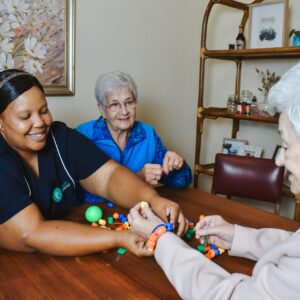
Falls can have a significant impact on an elderly person’s physical and emotional wellbeing. Beyond the immediate injuries such as fractures, bruises, and head trauma, falls can also lead to a fear of falling again. This fear often causes seniors to limit their activities, which may result in decreased mobility, muscle weakness, and social isolation.
Preventing falls is not only about avoiding injuries—it is about preserving independence, confidence, and overall quality of life.
Healthcare providers such as iMed Centre often encourage regular health assessments to identify potential risk factors before they lead to serious incidents.
Identify Common Fall Hazards at Home
The first step in preventing falls is identifying hazards that may increase risk within the home.
Common dangers include:
- Loose rugs and carpets
- Cluttered walkways
- Electrical cords across floors
- Slippery bathroom surfaces
- Poor lighting
- Uneven flooring
- Stairs without handrails
Conducting a thorough home safety inspection can help families spot and address these issues before accidents occur.
Simple changes such as securing rugs, removing clutter, and improving lighting can significantly reduce fall risks.
Improve Lighting Throughout the Home
Poor visibility is a major contributor to falls among older adults.
Ensure that all areas of the home are well-lit, especially:
- Hallways
- Staircases
- Bathrooms
- Bedrooms
- Entrances
Consider installing:
- Motion-sensor lights
- Nightlights in bedrooms and hallways
- Brighter LED bulbs
- Illuminated light switches
Good lighting makes it easier for seniors to navigate their surroundings safely, particularly during the evening and early morning hours.
Make Bathrooms Safer
Bathrooms are one of the most common locations for falls because of wet and slippery surfaces.
Important safety upgrades include:
- Installing grab bars near toilets and showers
- Using non-slip mats
- Adding shower chairs
- Raising toilet seats if necessary
- Ensuring easy access to toiletries
These modifications can greatly improve stability and reduce the risk of slipping during daily routines.
Encourage Regular Exercise and Physical Activity
Maintaining strength, flexibility, and balance is essential for fall prevention.
Activities that may benefit seniors include:
- Walking
- Gentle stretching
- Water aerobics
- Tai Chi
- Balance exercises
- Strength training
Regular exercise helps improve muscle function, coordination, and mobility, making it easier for seniors to move safely throughout the day.
Before beginning any exercise programme, it is advisable to consult a healthcare professional to ensure the activities are appropriate for the individual’s health condition.
Schedule Regular Vision and Hearing Checks
Changes in vision and hearing can increase the likelihood of falls.
Seniors should have routine eye and hearing examinations to identify and address issues such as:
- Cataracts
- Glaucoma
- Reduced depth perception
- Hearing loss
Updated prescription glasses and hearing aids can improve awareness of surroundings and reduce fall-related risks.
Regular check-ups also provide an opportunity to identify other health concerns that may affect balance and mobility.
Review Medications with a Healthcare Professional
Certain medications can cause side effects such as dizziness, drowsiness, low blood pressure, or impaired balance.
Common examples include:
- Blood pressure medications
- Sleeping tablets
- Sedatives
- Some antidepressants
A healthcare provider can review medications regularly to identify potential risks and adjust treatment plans where necessary.
Many families rely on experienced medical providers such as iMed Centre for comprehensive healthcare support and medication management advice.
Ensure Proper Footwear
Footwear plays an important role in maintaining balance and stability.
Seniors should wear shoes that:
- Fit properly
- Have non-slip soles
- Provide adequate support
- Avoid high heels or loose slippers
Walking barefoot or wearing worn-out footwear can significantly increase the likelihood of slipping and falling.
Supportive shoes help improve confidence and reduce instability during movement.
Consider Mobility Aids When Needed
For seniors experiencing balance or mobility challenges, assistive devices can provide additional support.
Examples include:
- Walking sticks
- Walkers
- Rollators
- Handrails
It is important that mobility aids are correctly fitted and used according to professional recommendations.
Using the right support equipment can help seniors move more safely while maintaining independence.
Create a Supportive Care Environment
Family involvement is one of the most effective ways to reduce fall risks. Caregivers can assist by:
- Monitoring home safety
- Encouraging healthy habits
- Assisting with mobility when necessary
- Scheduling medical appointments
- Providing emotional support
Creating a safe and supportive environment helps seniors feel secure while remaining active and engaged.
Just as personalised comfort enhances wellbeing in hospitality settings like Blue Sparrow Guest House, personalised care and attention can significantly improve the daily lives of elderly individuals at home.
Use Technology to Enhance Safety
Modern technology offers valuable tools for fall prevention and emergency response.
Useful options include:
- Medical alert systems
- Fall detection devices
- Smart home monitoring systems
- Video doorbells
- Automated lighting
These technologies provide added peace of mind for both seniors and their families.
Innovative solutions offered by organisations such as Urban Arrow demonstrate how technology and personalised services continue to improve safety and convenience across many aspects of daily life.
Conclusion
Preventing falls in elderly individuals at home in Johannesburg requires a proactive approach that combines home safety improvements, regular healthcare assessments, physical activity, and family support.
By addressing common hazards, encouraging healthy habits, and seeking professional guidance when needed, families can significantly reduce the risk of falls while helping their loved ones maintain independence and confidence.
If you are caring for an elderly family member, now is the ideal time to evaluate your home environment and implement practical fall prevention measures. Contact a trusted healthcare provider today to learn more about senior health assessments, mobility support, and personalised care solutions that help keep your loved ones safe at home. Contact Kriel Care now