
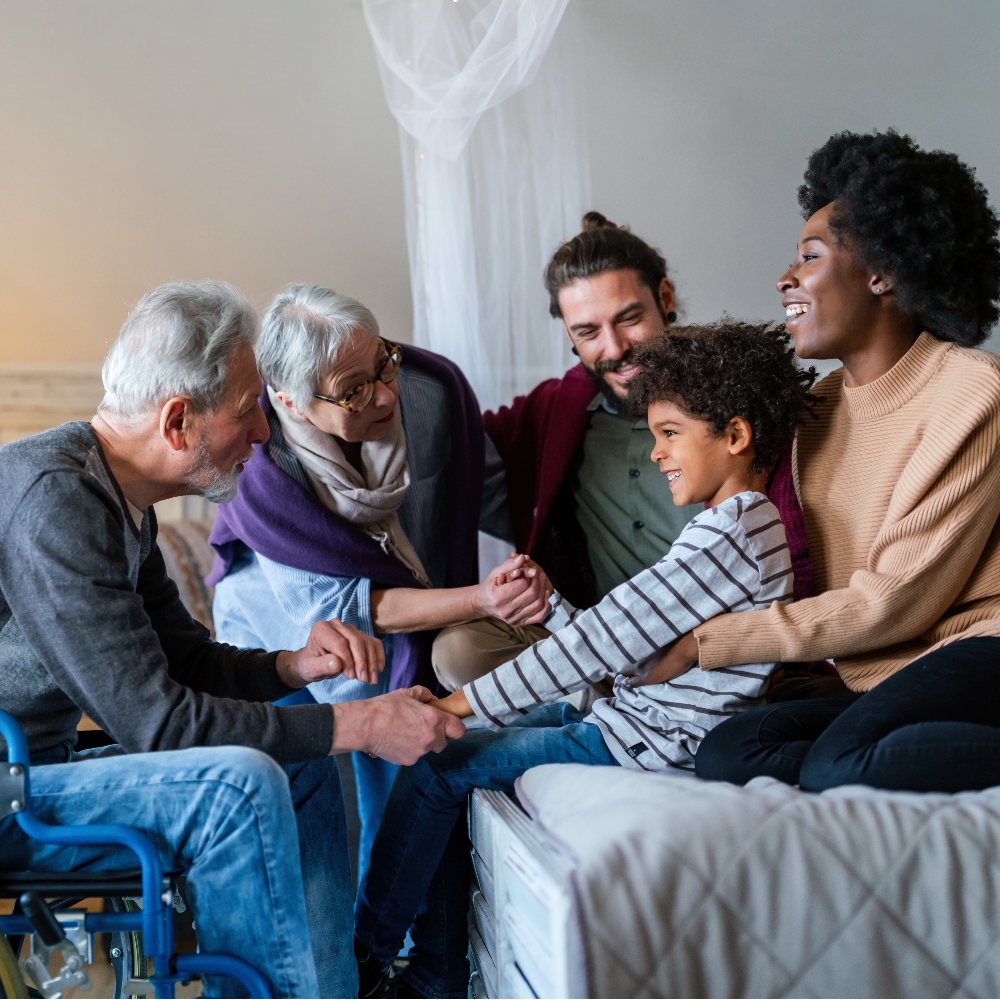
Why Family Caregivers Need Support When Caring for Elderly Loved Ones
Caring for an ageing parent, spouse, or other elderly family member is one of the most meaningful responsibilities a person can take on. Family caregivers provide love, comfort, and daily assistance that allow their loved ones to remain safe and maintain their dignity. However, while caregiving can be incredibly rewarding, it can also be physically demanding, emotionally draining, and mentally exhausting.
Many family caregivers devote so much time and energy to supporting others that they neglect their own health and wellbeing. Without the right support, this can lead to caregiver burnout, increased stress, and declining physical and mental health. Understanding why family caregivers need support is essential not only for the caregiver’s wellbeing but also for ensuring elderly loved ones continue to receive high-quality care.
The Growing Role of Family Caregivers
As more older adults choose to remain in their own homes, family members are increasingly becoming primary caregivers. They often assist with everyday tasks while balancing careers, raising children, and managing their own responsibilities.
Typical caregiving duties include:
- Assisting with personal hygiene
- Preparing meals
- Managing medications
- Transporting loved ones to appointments
- Helping with mobility
- Household chores
- Monitoring health changes
- Providing emotional companionship
Over time, these responsibilities can become overwhelming, especially when caring for someone with complex medical needs or conditions such as dementia or Parkinson’s disease.
Understanding Caregiver Burnout
Caregiver burnout occurs when prolonged physical and emotional stress begins to affect a caregiver’s health and ability to provide effective care.
Common signs include:
- Constant fatigue
- Difficulty sleeping
- Irritability
- Anxiety
- Depression
- Loss of motivation
- Frequent illness
- Feelings of helplessness or frustration
Many caregivers feel guilty about asking for help, believing they should manage everything on their own. In reality, seeking support is a responsible step that benefits both the caregiver and the person receiving care.
The Emotional Impact of Caregiving
Watching a loved one experience declining health can be emotionally difficult. Caregivers often cope with sadness, uncertainty, grief, and the pressure of making important healthcare decisions.
Over time, these emotional demands may contribute to:
- Chronic stress
- Emotional exhaustion
- Social isolation
- Relationship strain
- Reduced quality of life
Having access to emotional support through family members, support groups, or healthcare professionals can help caregivers manage these challenges more effectively.
Why Self-Care Is Essential
One of the biggest mistakes caregivers make is putting their own needs last.
Maintaining personal wellbeing allows caregivers to continue providing compassionate, effective care without compromising their own health.
Healthy self-care habits include:
- Getting enough sleep
- Eating balanced meals
- Exercising regularly
- Attending medical check-ups
- Taking regular breaks
- Staying connected with friends and family
- Pursuing hobbies and relaxation
Looking after yourself is not selfish it is essential for providing sustainable care.
The Value of Professional Home Care Support
Professional home care services can significantly reduce the demands placed on family caregivers.
Depending on individual needs, professional caregivers can assist with:
- Personal care
- Medication reminders
- Mobility assistance
- Meal preparation
- Wound care
- Health monitoring
- Dementia care
- Companionship
Sharing caregiving responsibilities allows family members to focus on spending meaningful time with their loved one instead of becoming overwhelmed by daily care tasks.
For more information about specialised support, you can direct readers to related articles on your website such as “The Benefits of Professional Home Nursing Care for Elderly Patients.”
Respite Care Gives Caregivers Time to Recharge
Respite care provides temporary relief by allowing another qualified caregiver to take over caregiving duties for a few hours, several days, or longer if required.
The benefits of respite care include:
- Reduced stress
- Improved physical health
- Better emotional wellbeing
- Increased patience
- Prevention of caregiver burnout
- More time for personal responsibilities
Taking occasional breaks enables caregivers to return feeling refreshed and better equipped to provide quality care.
Caring for Someone Living with Dementia
Supporting an elderly loved one with dementia presents additional challenges due to memory loss, confusion, behavioural changes, and increased safety risks.
Professional guidance can help families manage:
- Wandering behaviour
- Communication difficulties
- Daily routines
- Personal care
- Medication management
- Emotional support
You can also internally link this article with “How Dementia Care at Home Improves Quality of Life” to provide readers with additional information about specialised dementia care.
Building a Strong Support Network
No caregiver should feel they must face caregiving responsibilities alone.
A strong support network may include:
- Family members
- Friends
- Healthcare professionals
- Community organisations
- Support groups
- Professional caregivers
Sharing responsibilities reduces stress while ensuring elderly loved ones continue receiving consistent, high-quality care.
Open communication also helps families coordinate caregiving schedules and make informed decisions together.
Planning for the Future
As elderly loved ones age, their care needs often become more complex.
Planning ahead allows families to prepare for:
- Changing medical needs
- Increased personal care requirements
- Home modifications
- Financial planning
- Long-term care options
Early planning helps reduce uncertainty and ensures that appropriate support is available when circumstances change.
For readers considering additional care options, an internal link to “Understanding the Importance of Compassionate Palliative Care Services” can provide valuable guidance on patient-centred care for individuals with serious or life-limiting illnesses.
Supporting the Caregiver Benefits Everyone
When caregivers receive the support they need, everyone benefits.
Supported caregivers are more likely to:
- Provide higher-quality care
- Experience lower stress levels
- Maintain better physical and mental health
- Build stronger relationships with loved ones
- Make better healthcare decisions
Likewise, elderly individuals benefit from receiving care from someone who is emotionally present, physically healthy, and able to focus on their wellbeing.
Recognising the importance of caregiver support strengthens both the caregiver and the entire family.
Conclusion
Family caregivers play an invaluable role in helping elderly loved ones remain safe, comfortable, and independent. However, caregiving should never come at the expense of the caregiver’s own health and wellbeing. Emotional support, professional assistance, respite care, and practical resources all contribute to a healthier caregiving experience and better outcomes for older adults, Contact Kriel Care now.
Seeking help is not a sign of weakness it is a proactive step that allows caregivers to continue providing compassionate, high-quality care while protecting their own physical and emotional health.