
Prevent Falls in Elderly at Home in Johannesburg
Falls are one of the leading causes of injury among older adults, often resulting in serious health complications, reduced independence, and lengthy recovery periods. For families caring for elderly loved ones in Johannesburg, creating a safe home environment is essential to reducing fall risks and promoting a better quality of life.
As people age, changes in balance, muscle strength, vision, and overall mobility can make everyday activities more challenging. Fortunately, many falls can be prevented through simple home modifications, regular health assessments, and proactive caregiving strategies.
Understanding the risks and implementing effective prevention measures can help seniors remain safe, confident, and independent in the comfort of their own homes.
Why Fall Prevention Matters for Seniors
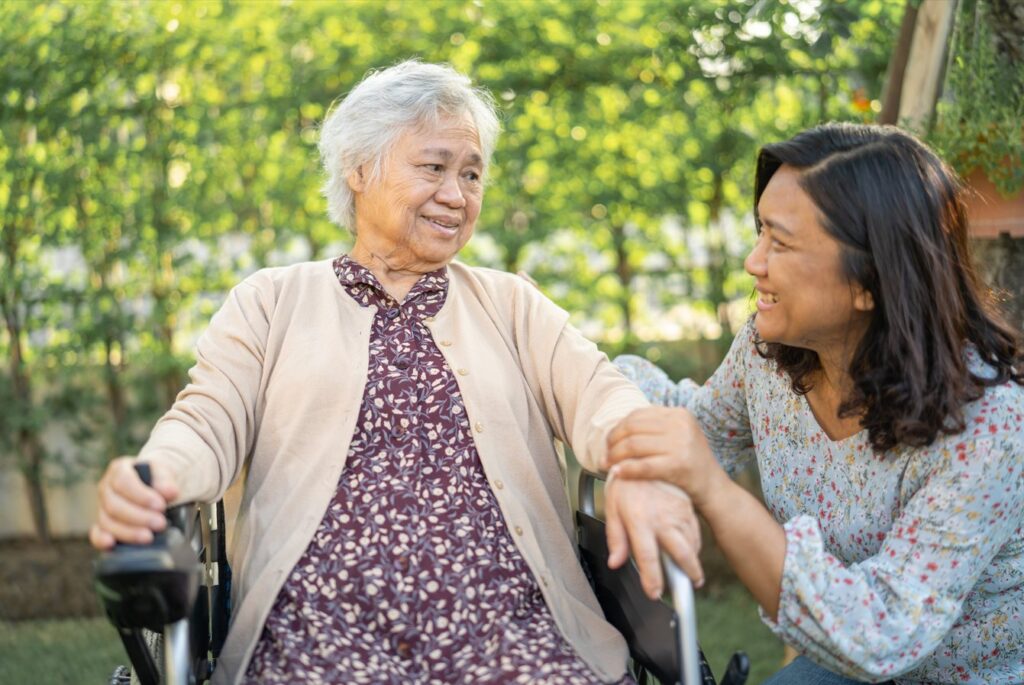
Falls can have a significant impact on an elderly person’s physical and emotional wellbeing. Beyond the immediate injuries such as fractures, bruises, and head trauma, falls can also lead to a fear of falling again. This fear often causes seniors to limit their activities, which may result in decreased mobility, muscle weakness, and social isolation.
Preventing falls is not only about avoiding injuries—it is about preserving independence, confidence, and overall quality of life.
Healthcare providers such as iMed Centre often encourage regular health assessments to identify potential risk factors before they lead to serious incidents.
Identify Common Fall Hazards at Home
The first step in preventing falls is identifying hazards that may increase risk within the home.
Common dangers include:
- Loose rugs and carpets
- Cluttered walkways
- Electrical cords across floors
- Slippery bathroom surfaces
- Poor lighting
- Uneven flooring
- Stairs without handrails
Conducting a thorough home safety inspection can help families spot and address these issues before accidents occur.
Simple changes such as securing rugs, removing clutter, and improving lighting can significantly reduce fall risks.
Improve Lighting Throughout the Home
Poor visibility is a major contributor to falls among older adults.
Ensure that all areas of the home are well-lit, especially:
- Hallways
- Staircases
- Bathrooms
- Bedrooms
- Entrances
Consider installing:
- Motion-sensor lights
- Nightlights in bedrooms and hallways
- Brighter LED bulbs
- Illuminated light switches
Good lighting makes it easier for seniors to navigate their surroundings safely, particularly during the evening and early morning hours.
Make Bathrooms Safer
Bathrooms are one of the most common locations for falls because of wet and slippery surfaces.
Important safety upgrades include:
- Installing grab bars near toilets and showers
- Using non-slip mats
- Adding shower chairs
- Raising toilet seats if necessary
- Ensuring easy access to toiletries
These modifications can greatly improve stability and reduce the risk of slipping during daily routines.
Encourage Regular Exercise and Physical Activity
Maintaining strength, flexibility, and balance is essential for fall prevention.
Activities that may benefit seniors include:
- Walking
- Gentle stretching
- Water aerobics
- Tai Chi
- Balance exercises
- Strength training
Regular exercise helps improve muscle function, coordination, and mobility, making it easier for seniors to move safely throughout the day.
Before beginning any exercise programme, it is advisable to consult a healthcare professional to ensure the activities are appropriate for the individual’s health condition.
Schedule Regular Vision and Hearing Checks
Changes in vision and hearing can increase the likelihood of falls.
Seniors should have routine eye and hearing examinations to identify and address issues such as:
- Cataracts
- Glaucoma
- Reduced depth perception
- Hearing loss
Updated prescription glasses and hearing aids can improve awareness of surroundings and reduce fall-related risks.
Regular check-ups also provide an opportunity to identify other health concerns that may affect balance and mobility.
Review Medications with a Healthcare Professional
Certain medications can cause side effects such as dizziness, drowsiness, low blood pressure, or impaired balance.
Common examples include:
- Blood pressure medications
- Sleeping tablets
- Sedatives
- Some antidepressants
A healthcare provider can review medications regularly to identify potential risks and adjust treatment plans where necessary.
Many families rely on experienced medical providers such as iMed Centre for comprehensive healthcare support and medication management advice.
Ensure Proper Footwear
Footwear plays an important role in maintaining balance and stability.
Seniors should wear shoes that:
- Fit properly
- Have non-slip soles
- Provide adequate support
- Avoid high heels or loose slippers
Walking barefoot or wearing worn-out footwear can significantly increase the likelihood of slipping and falling.
Supportive shoes help improve confidence and reduce instability during movement.
Consider Mobility Aids When Needed
For seniors experiencing balance or mobility challenges, assistive devices can provide additional support.
Examples include:
- Walking sticks
- Walkers
- Rollators
- Handrails
It is important that mobility aids are correctly fitted and used according to professional recommendations.
Using the right support equipment can help seniors move more safely while maintaining independence.
Create a Supportive Care Environment
Family involvement is one of the most effective ways to reduce fall risks. Caregivers can assist by:
- Monitoring home safety
- Encouraging healthy habits
- Assisting with mobility when necessary
- Scheduling medical appointments
- Providing emotional support
Creating a safe and supportive environment helps seniors feel secure while remaining active and engaged.
Just as personalised comfort enhances wellbeing in hospitality settings like Blue Sparrow Guest House, personalised care and attention can significantly improve the daily lives of elderly individuals at home.
Use Technology to Enhance Safety
Modern technology offers valuable tools for fall prevention and emergency response.
Useful options include:
- Medical alert systems
- Fall detection devices
- Smart home monitoring systems
- Video doorbells
- Automated lighting
These technologies provide added peace of mind for both seniors and their families.
Innovative solutions offered by organisations such as Urban Arrow demonstrate how technology and personalised services continue to improve safety and convenience across many aspects of daily life.
Conclusion

Preventing falls in elderly individuals at home in Johannesburg requires a proactive approach that combines home safety improvements, regular healthcare assessments, physical activity, and family support.
By addressing common hazards, encouraging healthy habits, and seeking professional guidance when needed, families can significantly reduce the risk of falls while helping their loved ones maintain independence and confidence.
If you are caring for an elderly family member, now is the ideal time to evaluate your home environment and implement practical fall prevention measures. Contact a trusted healthcare provider today to learn more about senior health assessments, mobility support, and personalised care solutions that help keep your loved ones safe at home. Contact Kriel Care now