
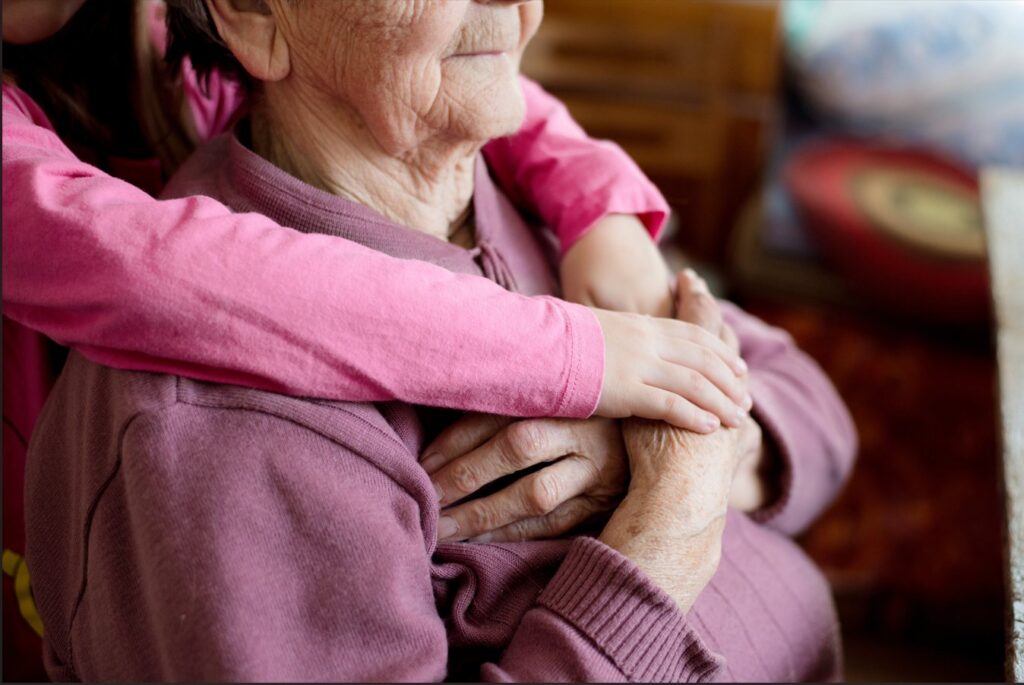
Effective Elderly Loneliness Solutions for Families in Johannesburg
Loneliness among elderly individuals is becoming an increasingly important concern for families across Johannesburg. As people age, life circumstances such as retirement, the loss of a spouse, health challenges, reduced mobility, and children moving away can contribute to feelings of isolation. While loneliness may seem like an emotional issue, it can have significant effects on both physical and mental health.
Studies have shown that prolonged loneliness can increase the risk of depression, anxiety, cognitive decline, heart disease, and other health complications. Fortunately, there are many effective elderly loneliness solutions that families can implement to help their loved ones stay socially connected, emotionally supported, and actively engaged in daily life.
By understanding the causes of loneliness and taking proactive steps to address them, families can help elderly relatives enjoy a happier, healthier, and more fulfilling lifestyle.
Understanding the Impact of Loneliness on Seniors
Loneliness is more than simply being alone. Many elderly individuals experience loneliness even when surrounded by people. It often stems from a lack of meaningful social interaction and emotional connection.
Some common signs of loneliness in seniors include:
- Withdrawal from social activities
- Loss of interest in hobbies
- Changes in sleeping patterns
- Increased anxiety or sadness
- Difficulty concentrating
- Low energy levels
- Reduced appetite
Recognising these warning signs early allows families to provide support before loneliness begins affecting overall wellbeing.
Healthcare professionals often recommend regular wellness assessments to identify emotional and mental health concerns. Trusted providers such as iMed Centre can help families monitor the overall health and wellbeing of elderly loved ones.
Encourage Regular Family Interaction
One of the most effective ways to combat loneliness is through consistent family involvement.
Simple actions can make a significant difference, including:
- Weekly family visits
- Regular phone calls
- Video chats
- Shared meals
- Family outings
- Celebrating birthdays and special occasions together
Even short but meaningful interactions help seniors feel valued, connected, and supported.
When family members live far away, technology can play an important role in maintaining strong relationships.
Promote Social Activities and Community Engagement
Encouraging elderly individuals to participate in social activities helps them build friendships and maintain a sense of belonging.
Suitable activities may include:
- Community clubs
- Church groups
- Senior citizen centres
- Volunteer opportunities
- Exercise classes
- Hobby groups
- Gardening clubs
These social environments provide valuable opportunities for interaction and emotional support.
Regular participation in community activities can improve confidence, reduce isolation, and contribute positively to mental health.
Support Hobbies and Personal Interests
Many seniors experience loneliness because they no longer engage in activities they once enjoyed. Encouraging hobbies can provide purpose, enjoyment, and opportunities for social interaction.
Popular hobbies for older adults include:
- Reading
- Knitting
- Painting
- Photography
- Gardening
- Cooking
- Bird watching
- Music
Helping elderly family members reconnect with their interests can improve emotional wellbeing and create opportunities to meet others with similar passions.
Consider Companion Care Services
For seniors who spend long periods alone, professional companionship services can be extremely beneficial.
Companion caregivers may assist with:
- Social interaction
- Daily conversations
- Accompanying seniors on outings
- Helping with errands
- Encouraging participation in activities
- Emotional support
Unlike medical care, companionship services focus on improving quality of life through meaningful human connection.
Many families find that regular visits from a trusted companion significantly improve their loved one’s mood and overall wellbeing.
Use Technology to Stay Connected
Modern technology has made it easier than ever for seniors to stay in touch with family and friends.
Helpful tools include:
- Video calling platforms
- Messaging applications
- Social media
- Online interest groups
- Virtual community events
Teaching seniors how to use smartphones, tablets, and communication apps can help reduce feelings of isolation.
While technology cannot replace face-to-face interaction, it provides valuable opportunities for regular communication and engagement.
Encourage Physical Activity
Physical activity offers both physical and social benefits for elderly individuals.
Activities such as:
- Walking groups
- Water aerobics
- Yoga
- Gentle fitness classes
- Dance programmes
can help seniors meet new people while improving mobility, balance, and overall health.
Exercise also stimulates the release of endorphins, which can help improve mood and reduce feelings of loneliness and depression.
Address Transportation Challenges
Many elderly individuals become socially isolated because they no longer drive or have limited transportation options.
Families can help by:
- Providing transport to social events
- Arranging rides with friends or neighbours
- Using community transport services
- Scheduling regular outings
Removing transportation barriers allows seniors to maintain independence and stay actively involved in their communities.
Create Opportunities for Intergenerational Connections
Spending time with younger family members can bring joy and purpose to elderly individuals.
Activities may include:
- Reading with grandchildren
- Teaching life skills
- Sharing family stories
- Participating in family projects
- Attending school events
These interactions help strengthen family bonds while creating meaningful experiences for all generations.
Just as personalised care and attention create memorable experiences in hospitality environments like Blue Sparrow Guest House, meaningful personal connections play a crucial role in enhancing emotional wellbeing for seniors.
Monitor Mental and Physical Health
Loneliness is often linked to underlying health conditions that may limit mobility or social participation.
Regular medical check-ups can help identify issues such as:
- Hearing loss
- Vision problems
- Chronic pain
- Depression
- Cognitive decline
Addressing these challenges early can improve a senior’s ability to engage socially and maintain independence.
Professional healthcare providers can help families develop personalised wellness strategies that support both physical and emotional health.
Creating Age-Friendly Living Environments
The home environment can influence a senior’s willingness to stay active and connected.
Creating a comfortable and welcoming space may include:
- Easy access to outdoor areas
- Comfortable seating for visitors
- Good lighting
- Safe mobility pathways
- Technology for communication
Innovative organisations such as Urban Arrow demonstrate how thoughtful planning and user-focused solutions can improve quality of life and accessibility across different environments.
Conclusion
Loneliness among elderly individuals is a serious issue that affects thousands of families in Johannesburg. However, with the right support, social opportunities, healthcare guidance, and family involvement, seniors can continue to lead fulfilling and connected lives.
By encouraging regular interaction, supporting hobbies, promoting physical activity, and addressing barriers to social engagement, families can significantly reduce feelings of isolation and improve overall wellbeing.
If your loved one is experiencing loneliness or social isolation, now is the perfect time to take proactive steps. Reach out to trusted healthcare professionals, explore community resources, and create meaningful opportunities for connection that help your elderly family member enjoy a happier, healthier, and more socially engaged life. Kriel Care Specialists