

What Is the Most Common Cause of Depression in Older Adults?
Depression is one of the most common mental health conditions affecting older adults, yet it often goes unnoticed or untreated. Many people assume that feelings of sadness, isolation, or low energy are a natural part of ageing. However, depression is not a normal aspect of growing older. It is a serious medical condition that can affect an individual’s emotional wellbeing, physical health, and overall quality of life.
One of the most frequently asked questions by families and caregivers is: What is the most common cause of depression in older adults? While several factors can contribute to depression, social isolation and loneliness are widely recognised as the leading causes. As seniors face significant life changes such as retirement, the loss of loved ones, declining health, and reduced independence, feelings of loneliness can become overwhelming and negatively impact mental health.
Understanding the causes of depression in older adults can help families recognise warning signs early and provide the support their loved ones need.
Understanding Depression in Older Adults
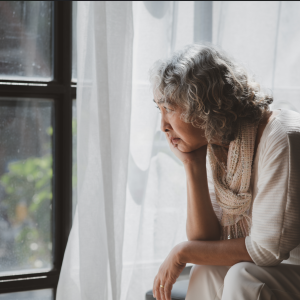
Depression is more than simply feeling sad from time to time. It is a persistent condition that affects how a person thinks, feels, and behaves.
Older adults experiencing depression may struggle with:
- Persistent sadness
- Loss of interest in hobbies and activities
- Fatigue and low energy
- Difficulty concentrating
- Changes in appetite
- Sleep disturbances
- Feelings of hopelessness
- Increased anxiety
Unfortunately, many seniors do not seek help because they believe their symptoms are part of normal ageing. This misconception often delays diagnosis and treatment.
Healthcare providers such as iMed Centre encourage regular health assessments that include both physical and mental wellbeing evaluations to identify depression early.
Loneliness: The Most Common Cause of Depression in Older Adults
Loneliness is often considered the most significant contributor to depression among seniors.
As people age, their social circles may naturally become smaller due to:
- Retirement from work
- Children moving away
- Loss of a spouse
- Death of close friends
- Reduced mobility
- Health challenges
These changes can lead to fewer social interactions and a diminished sense of connection.
When loneliness persists for long periods, it can significantly affect emotional health. Seniors may begin to feel disconnected, unimportant, or isolated from society, increasing their risk of developing depression.
The emotional impact of loneliness is often intensified when older adults spend large portions of their day alone with limited opportunities for meaningful engagement.
The Impact of Losing a Loved One
Grief is another common cause of depression in older adults.
The loss of a spouse, sibling, close friend, or family member can create profound emotional pain. While grieving is a natural process, some individuals may struggle to adapt to life after such losses.
Signs that grief may be developing into depression include:
- Persistent sadness lasting several months
- Withdrawal from social activities
- Loss of interest in daily life
- Difficulty functioning independently
Families should remain attentive to emotional changes following significant losses and seek professional support when necessary.
Chronic Health Conditions and Depression
Many seniors live with chronic medical conditions that can contribute to depression.
Examples include:
- Heart disease
- Diabetes
- Arthritis
- Parkinson’s disease
- Cancer
- Respiratory illnesses
Managing ongoing pain, physical limitations, and frequent medical appointments can be emotionally exhausting.
Some health conditions may also directly affect brain chemistry, increasing the likelihood of depression.
Regular healthcare monitoring can help address both physical and emotional concerns, ensuring a more comprehensive approach to wellbeing.
Reduced Independence and Mobility
Many older adults place a high value on their independence. When mobility challenges or health issues make everyday tasks difficult, feelings of frustration and helplessness may develop.
Examples include:
- Difficulty driving
- Needing assistance with personal care
- Limited ability to travel
- Reduced participation in social activities
Losing the ability to perform routine tasks independently can affect self-esteem and increase vulnerability to depression.
Supporting seniors in maintaining as much independence as possible can have a positive impact on emotional wellbeing.
Retirement and Loss of Purpose
Retirement is often viewed as a rewarding stage of life, but it can also be emotionally challenging for some individuals.
Work often provides:
- Daily structure
- Social interaction
- Personal achievement
- Financial security
- A sense of identity
Without these elements, some seniors may struggle to find purpose and fulfilment.
Encouraging volunteer work, hobbies, community involvement, and meaningful activities can help older adults maintain a strong sense of purpose after retirement.
Recognising the Warning Signs of Depression
Family members are often the first to notice changes in an elderly loved one’s behaviour.
Common warning signs include:
- Social withdrawal
- Irritability
- Frequent sadness
- Loss of motivation
- Neglecting personal care
- Changes in eating habits
- Sleeping too much or too little
- Expressions of hopelessness
Early intervention can significantly improve outcomes and prevent symptoms from worsening.
How Families Can Help
Families play a vital role in supporting seniors who may be experiencing depression.
Helpful strategies include:
- Spending quality time together
- Encouraging social activities
- Promoting physical exercise
- Supporting hobbies and interests
- Assisting with healthcare appointments
- Maintaining regular communication
Simple acts of connection can have a powerful impact on emotional wellbeing.
Just as personalised care creates a welcoming and supportive environment in places like Blue Sparrow Guest House, consistent attention and companionship can help seniors feel valued, connected, and supported.
The Importance of Professional Support
Depression is a medical condition that often requires professional treatment.
Support options may include:
- Counselling
- Cognitive behavioural therapy
- Support groups
- Medication
- Lifestyle interventions
Seeking professional help is not a sign of weakness. It is an important step toward improving quality of life and emotional health.
Healthcare providers can work with seniors and their families to develop personalised treatment plans that address individual needs.
Innovative organisations such as Urban Arrow demonstrate the importance of people-centred solutions that prioritise wellbeing, accessibility, and quality of life.
Conclusion

So, what is the most common cause of depression in older adults? In many cases, the answer is loneliness and social isolation. While ageing brings many life changes, prolonged feelings of disconnection can have a serious impact on emotional and mental health.
The good news is that depression is treatable, and families can make a significant difference by providing support, encouragement, and meaningful social connections. By recognising warning signs early and seeking professional assistance when needed, older adults can maintain a higher quality of life and enjoy better emotional wellbeing.
If you are concerned about a loved one’s mental health, don’t wait for symptoms to worsen. Contact a trusted healthcare professional today to discuss mental health assessments, support services, and personalised care solutions that can help your loved one live a happier, healthier, and more connected life. Contact Kriel Care now