

What does a caregiver do for Alzheimer’s patients?
As we navigate the healthcare landscape of 2026, the role of a professional caregiver has evolved from basic assistance into a highly specialized discipline. For families in Johannesburg and Pretoria, the transition to home-based memory care is often driven by a desire to preserve the dignity and safety of a loved one. However, understanding the specific day-to-day contributions of a caregiver is essential for setting realistic expectations and ensuring high-quality care.
A professional Alzheimer’s caregiver from Kriel Care operates at the intersection of medical oversight, behavioral psychology, and physical support. Their primary goal is to manage the complexities of cognitive decline while maintaining the senior’s quality of life in a familiar environment.
1. Mastery of Activities of Daily Living (ADLs)
The most visible part of what a caregiver does for Alzheimer’s patients involves the management of Activities of Daily Living, or ADLs. As Alzheimer’s progresses, the brain loses the ability to sequence multi-step tasks. Simple actions like bathing, dressing, or even using a fork can become overwhelming puzzles for the senior.
A qualified caregiver provides:
- Dignified Hygiene Support: Assisting with bathing and grooming is done with a focus on privacy and sensitivity. Caregivers are trained to use “person-centered” techniques, such as keeping the senior covered with a towel during a bath to reduce the feeling of vulnerability.
- Nutritional Oversight: In 2026, we understand more than ever how diet impacts cognitive inflammation. Caregivers prepare meals that are not only nutritious but easy to eat, often using specialized techniques like “finger foods” if the senior struggles with traditional cutlery.
- Dressing and Orientation: To reduce “choice paralysis,” a caregiver might lay out two outfit options or assist with the physical act of dressing while encouraging the senior to do as much as they can independently to maintain their motor skills.
2. Clinical and Physical Monitoring
While home-based care is often non-medical in nature, the oversight provided by a professional is deeply rooted in clinical awareness. For many seniors in Gauteng, Alzheimer’s does not exist in isolation; it often accompanies chronic conditions like hypertension or diabetes.
- Medication Management: This is perhaps the most vital duty. Caregivers ensure that complex medication schedules are followed precisely, preventing the dangerous double-dosing or missed tablets that frequently lead to hospitalizations.
- Vital Signs and Physical Changes: Caregivers are trained to monitor blood pressure, glucose levels, and oxygen saturation. More importantly, they watch for subtle changes in behavior that might indicate a physical ailment, such as a Urinary Tract Infection (UTI), which can cause sudden spikes in confusion for dementia patients.
- Mobility and Fall Prevention: By assisting with transfers and supervising movement throughout the home, caregivers significantly reduce the risk of fractures—a leading cause of rapid decline in the elderly population.
3. Navigating Behavioral and Emotional Challenges
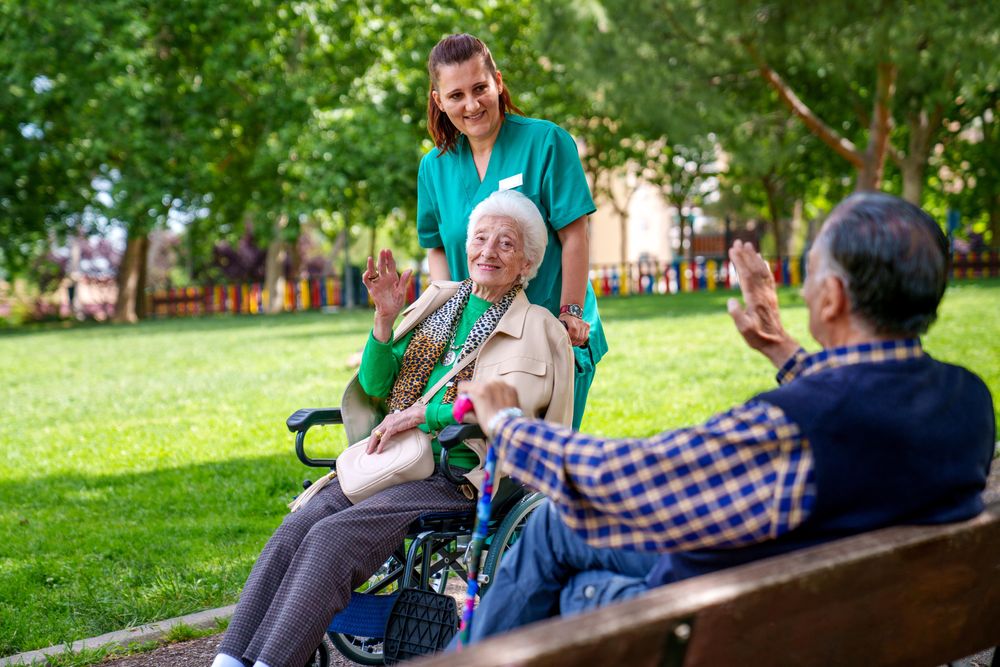
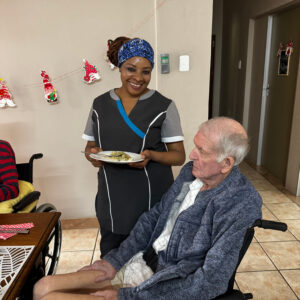
Alzheimer’s is a disease of the emotions as much as the memory. One of the most challenging aspects of caregiving is managing “behavioral and psychological symptoms of dementia” (BPSD).
A caregiver utilizes modern 2026 techniques like:
- Validation Therapy: Rather than correcting a senior who believes they need to “go to work” (even if they retired 30 years ago), a caregiver validates their feeling. They might say, “I see you’re ready for the office; let’s have a quick coffee first,” effectively de-escalating potential anxiety.
- Managing Sundowning: In the late afternoon, many patients experience increased agitation. Caregivers manage this by adjusting lighting to eliminate shadows, reducing noise, and engaging the senior in calming activities before the restlessness begins.
- The “Yes, and…” Technique: Borrowed from improvisational theater, this involves agreeing with the senior’s current reality and then gently redirecting them to a safer or more appropriate activity.
4. Cognitive Stimulation and Social Health
Isolation is the enemy of cognitive health. A caregiver provides the consistent social interaction that keeps the brain engaged. This includes:
- Reminiscence Therapy: Using photo albums, music from the 1960s or 70s, and sensory boxes to trigger long-term memories and provide a sense of identity.
- Meaningful Tasks: Engaging the senior in “helper” tasks, such as folding laundry or sorting buttons, which provides a sense of purpose and accomplishment.
- Companionship: Simply having a familiar, friendly face to talk to throughout the day reduces the depression and anxiety that often accelerate memory loss.
Building a Professional Support Ecosystem
Managing Alzheimer’s at home requires a multidisciplinary approach. While a caregiver handles the daily environment, other professional services ensure the senior’s health, legal rights, and assets are fully protected. We recommend integrating these trusted partners into your care plan:
A comprehensive care strategy involves more than just daily assistance. For expert clinical oversight and primary healthcare, the iMed Medical Centre provides the medical foundation needed for senior wellness. Maintaining oral health is equally critical, as dental issues can often go unnoticed in dementia patients; for this, The Family Dentist offers specialized, gentle care. If your care journey requires modifications to your property or boundary clarity for estate planning, The Land Surveyor provides the necessary technical expertise. Finally, ensuring that all legal protections, Powers of Attorney, and Wills are in order is essential, which is why we recommend the guidance of Ramatsitsi Attorneys Inc..
Supporting the Whole Family (The Wildcard of Care)
By taking over the heavy lifting of Alzheimer’s care, a professional caregiver provides respite. This allows family members to step away from the “caregiver” role and return to being a son, daughter, or spouse. This emotional relief is often the key to preventing family burnout and ensuring the senior can remain at home for as long as possible.
Conclusion: Dignity in Every Detail

The answer to “What does a caregiver do for Alzheimer’s patients?” is simple yet profound: they provide the bridge between a shrinking world and a meaningful life. Through a combination of technical skill, medical oversight, and deep empathy, a Kriel Care specialist ensures that every day is lived with as much joy and safety as possible.
Whether you are in the heart of Pretoria or the suburbs of Sandton, professional home-based care is the most effective way to manage the long-term journey of Alzheimer’s.
Are you ready to create a customized care plan for your loved one? Contact Kriel Care today to discuss how our specialists can support your family in Johannesburg and Pretoria.